In today’s world, the secret to lasting growth is a strategic omnichannel approach. As a professional copywriting journalist, I’m here to show you how to boost conversions and increase revenue. By learning about omnichannel marketing, mapping the customer journey, and using advanced analytics, you can improve customer experiences and achieve long-term success.
Today, customers want smooth, tailored experiences across many platforms. This need has changed how businesses connect with people. The move to customer-centric strategies has changed the game. Multi-channel marketing has led to a more complete, omnichannel approach. This can greatly boost omnichannel revenue.
Now, people want a consistent brand feel whether they’re on their phone, in a store, or on social media. By linking marketing across different channels, companies can make a single, strong customer journey. This customer-centric method makes the experience better, increases sales, and helps in making more money over time.
Using multi-channel marketing together in a omnichannel plan helps businesses use the best of online and offline. Customers who touch a brand in many ways tend to spend more and buy more often. By making the customer journey smooth and easy, companies can find new ways to make money and grow their omnichannel revenue.
“Omnichannel is not about the channels; it’s about the customer. It’s about creating a seamless and personalised experience for the customer, regardless of the touchpoint.”
Creating effective omnichannel strategies starts with knowing the customer journey well. We look at touchpoints and where customers can make a purchase across different channels. This helps us find ways to make the buying process better and increase sales.
The path a customer takes to buy from you is not always straightforward. They touch your brand in many ways, both online and in real life. It’s important to spot these key moments and see how they affect what customers decide to do.
| Touchpoint | Conversion Opportunity |
|---|---|
| Website | Streamlined checkout process, personalised product recommendations |
| Social Media | Engaging content, interactive product demos, targeted ads |
| In-Store | Knowledgeable staff, seamless click-and-collect options |
| Customer Service | Responsive support, upsell and cross-sell opportunities |
In today’s digital world, making things personal is key to getting customers involved and increasing sales. By creating personalised experiences, companies can build stronger bonds with their audience. This leads to more loyalty and support from customers.
For personalised experiences to work, you need to really know what your customers like, how they behave, and what troubles them. Using data, marketers can make their messages, content, and suggestions fit each customer’s needs. This makes customers feel valued and noticed.
Using dynamic content is a great way to make personalised experiences happen. By changing website content, emails, and other interactions based on what customers do online, who they are, or what they’re interested in, companies can make sure every touchpoint is just right for the customer.
In today’s fast-paced retail world, getting consistent conversions and steady revenue growth is crucial for businesses. The secret is to use a strategic omnichannel approach. This means blending different customer touchpoints into a smooth, personalised experience.
| Key Strategies | Potential Drivers | Revenue Impact |
|---|---|---|
| Seamless integration | Increased customer engagement, improved brand loyalty | Improved lifetime value, higher repeat purchases |
| Personalised offers | Enhanced product discovery, increased checkout rates | Increased average order value, higher revenue |
| Consistent support | Improved customer satisfaction, reduced cart abandonment | Increased retention, higher lifetime value |
“The key to unlocking sustainable revenue growth lies in the seamless integration of your omnichannel strategy with your conversion optimisation efforts.”
For a successful omnichannel strategy, it’s key to link different channels smoothly. This means making sure the online and offline worlds work together well. This approach helps give customers a consistent and enjoyable experience, which can lead to more sales.
Getting customers to move easily between digital and physical places is crucial. It’s about making sure the brand’s message and product details are the same everywhere. This way, customers get a unified and personal experience.
| Integration Strategy | Benefit |
|---|---|
| Click-and-collect | Allows customers to purchase online and pick up in-store, providing convenience and a more seamless experience. |
| Endless aisle | Enables customers to access a wider range of products beyond what is available in-store, leveraging the benefits of online inventory. |
| In-store kiosks | Provides customers with the ability to research and purchase products directly from in-store digital touchpoints, bridging the online-offline divide. |
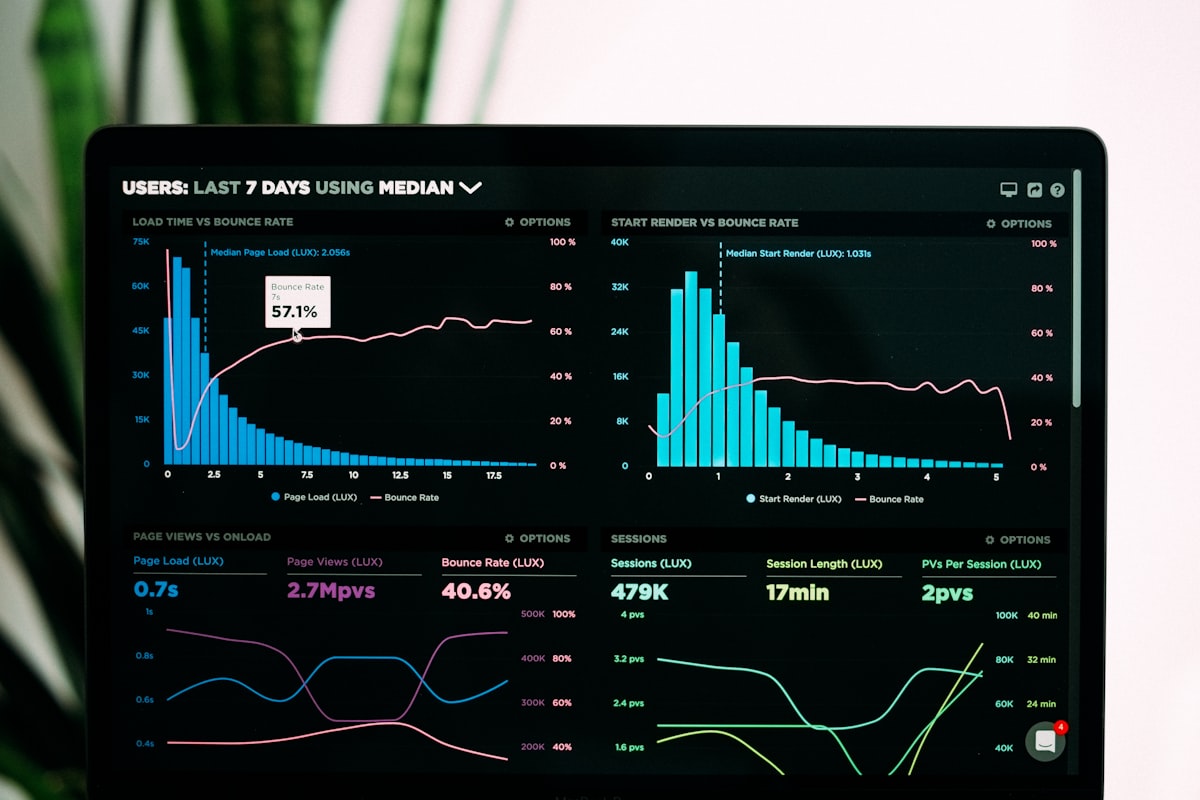
In today’s fast-changing digital world, using omnichannel analytics is key for businesses. It helps them improve their performance across different channels and keep getting better. By looking at data, companies can learn a lot about what customers like and how they shop across different places.
To succeed in omnichannel, it’s key to break down organisational barriers and encourage teamwork. This means aligning teams and processes for a unified approach. Doing this boosts conversions.
| Approach | Benefits |
|---|---|
| Establishing cross-functional teams | Improved communication, shared goals, and collaborative problem-solving |
| Implementing unified technology | Centralised customer data, enhanced visibility, and data-driven decision-making |
| Aligning performance metrics | Fostering a culture of cooperation, reduced silos, and collective focus on omnichannel success |
In today’s fast-paced marketing world, it’s key to know how each channel helps your business. Using revenue attribution modelling and channel contributions gives you a clear view of their impact.
| Channel | Contribution to Revenue | Conversion Rate |
|---|---|---|
| Social Media | 25% | 3.2% |
| Email Marketing | 30% | 5.1% |
| Organic Search | 35% | 4.7% |
| Paid Search | 10% | 2.9% |
Improving conversions is key and needs a full approach from start to finish. Using customer lifecycle management and conversion rate optimisation strategies helps businesses get more engagement and revenue at each customer stage.
As we end our look into the strategic omnichannel approach, it’s clear that focusing on the customer across many channels is key. This approach helps businesses succeed in today’s tough market. By understanding the customer’s journey, making experiences personal, and linking channels together, companies can make the most of their omnichannel efforts.
Omnichannel marketing is key for boosting conversions. It makes sure customers have a smooth and personal experience across different platforms. By linking various touchpoints, you learn more about your customers’ paths. This leads to more engagement, loyalty, and higher conversion rates.
To map the customer journey, spot the main touchpoints and chances to convert across channels. This helps you see how customers interact with your brand. You’ll find out where they face problems and where you can make things better to increase conversions.
Personalising customer experiences is key for better engagement and conversions. Use customer data, segment your audience, and offer targeted content and deals. This makes experiences that speak to your audience.
Linking online and offline channels is vital for a smooth omnichannel experience. Use tech like mobile apps, beacons, and digital displays to bridge the gap. This ensures your brand feels consistent at every touchpoint.
For omnichannel success, you need to break down department walls and encourage teamwork. Align teams, simplify processes, and use tech that helps everyone work together.